
For a commercial grower, winter isn't just a challenge—it's a critical operational cost (OpEx). Freezing nights don't just stunt growth; they can wipe out an entire crop cycle and erase profits.
High heating bills are often the single largest variable in a grower's budget. This guide breaks down commercial-grade strategies to maintain optimal, stable temperatures (typically 45–65°F/7–18°C) without overspending on energy.
It's important to remember that this guide focuses on the tactics and systems (like thermal screens and boilers) to manage heat. The most important strategy for warmth, however, is decided when you first choose your greenhouse covering (like insulated polycarbonate) and structure.
(This article is a deep dive into heating, which is a key component of our complete Commercial Greenhouses 101 Buying Guide. We recommend reading both to ensure your structure is energy-efficient from day one.)
Why Winter Greenhouses Warmth Matters (Beyond Just Surviving)
Root health: Soil temperatures below 40°F/4°C slow root absorption of water and nutrients, even if air temperatures seem okay.
Growth continuity: Most plants stop growing below 50°F/10°C—warmth keeps your harvests coming (e.g., fresh basil or tomatoes) through winter.
Pest resistance: Cold, damp greenhouses attract mold and pests like aphids. Stable warmth reduces humidity buildup and disease risk.
Now, let’s get to the solutions.
Part 1: Low-Cost & No-Electricity Methods (0–$50) – Perfect for Small Greenhouses
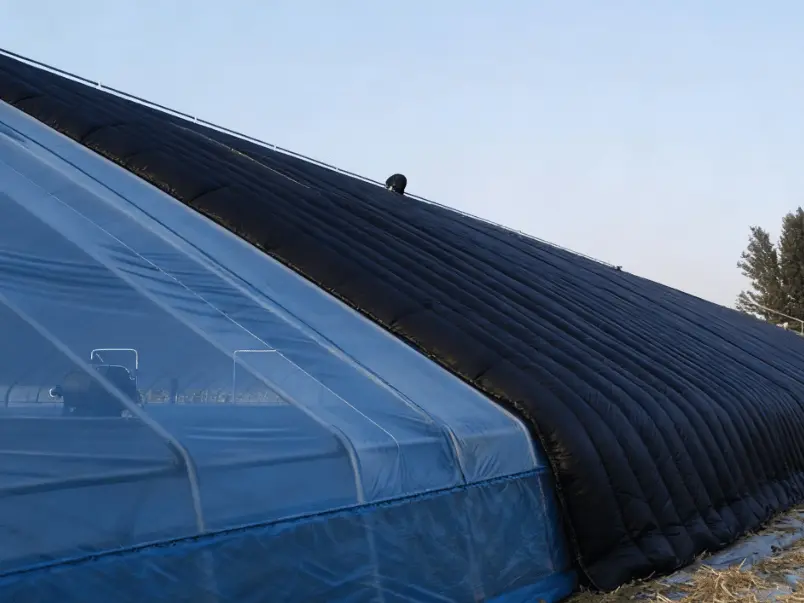
1. Insulate with Thermal Blankets or Curtains
How to do it:
Pro tip: For a budget hack, use old wool blankets or thick moving blankets—just layer them with a clear plastic sheet to keep out moisture.
2. Use Soil as a Natural Heat Sink
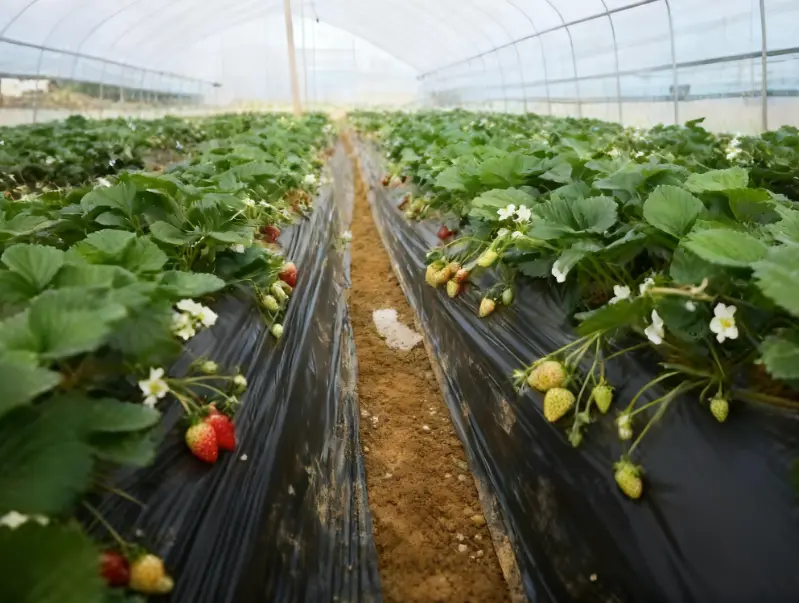
Soil absorbs and stores sunlight during the day, then releases heat at night. Boost this effect with these steps:
Loosen the top 6–8 inches of soil and mix in 2–3 inches of compost (dark compost absorbs more sun).
Cover bare soil with black plastic mulch (or even old black trash bags) to trap heat—this can raise soil temperatures by 3–5°F.
Add a 2-inch layer of straw or hay on top of the mulch at night to slow heat loss.
Best for: Root crops like carrots or beets, which rely on warm soil to avoid splitting.
3. Build a Compost Heat Source
How to set it up:
Warning: Keep the compost 1–2 feet away from plants—direct contact can cause root burn.

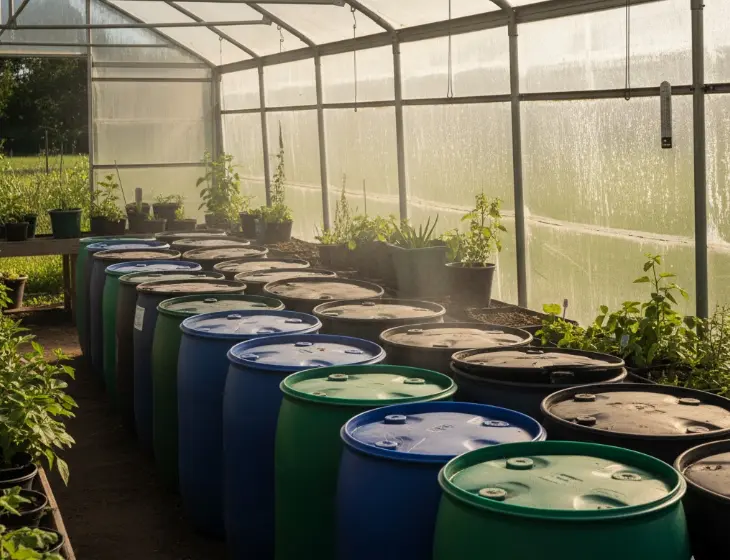
4. Add Water Barrels for Thermal Mass
Setup steps:
Paint 55-gallon plastic barrels black (or wrap them in black duct tape).
Place 2–3 barrels along the south-facing wall of your greenhouse (the side that gets the most sun).
Fill the barrels with water—add a handful of salt to lower the freezing point (prevents cracking in extreme cold).
Bonus: Use the warm water to water plants in the morning—cold water shocks roots!
5. Seal Leaks & Drafts
Check for leaks: On a windy day, hold a lit candle near edges—if the flame flickers, there’s a draft.
Seal them with:
Weatherstripping (for door frames: $5–$10 at hardware stores).
Caulk (for glass or plastic panel gaps).
Bubble wrap (tape it over small cracks—cheap and adds extra insulation).
6. Use a “Mini Greenhouse” Inside
How: Place a clear plastic storage bin (with holes for ventilation) over your plants. Add a layer of gravel at the bottom of the bin, then pour in warm water—this creates a humid, warm microclimate.
Cost: $0–$15 (use a bin you already have!).
Part 2: Mid-Range Methods ($50–$200) – Great for Medium Greenhouses
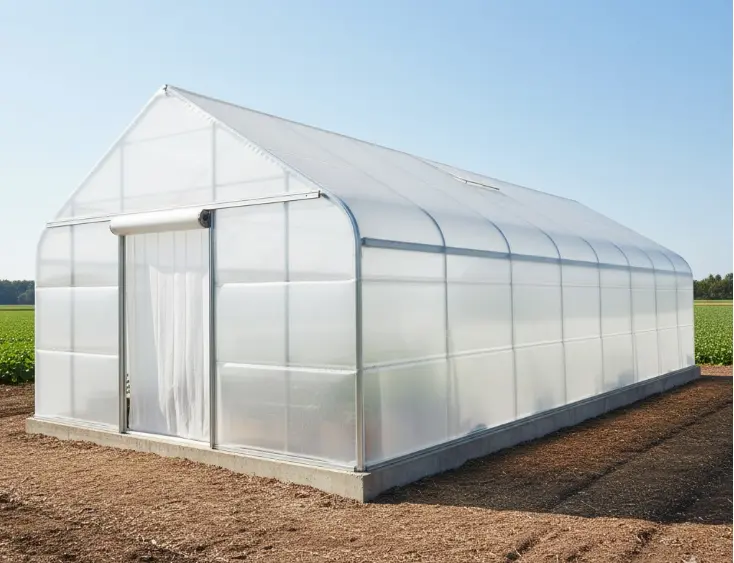
7. Install Double-Layer Plastic Film
What to buy: Look for UV-resistant polyethylene film (2–4 mil thickness) designed for greenhouses. Kits with clips and tape cost $60–$120.
Installation tip: Leave a 2–3 inch air gap between layers—this acts as a buffer against cold air. Secure the film tightly to avoid flapping (which can tear it in the wind).
8. Use a Small Electric Heater (With a Thermostat)
Best options:
Safety first: Keep heaters 3 feet away from plants, curtains, or compost. Use a surge protector to avoid electrical fires.
9. Add Solar-Powered String Lights
How to use:
Cost: $20–$40 per string (look for waterproof models for humid greenhouses).
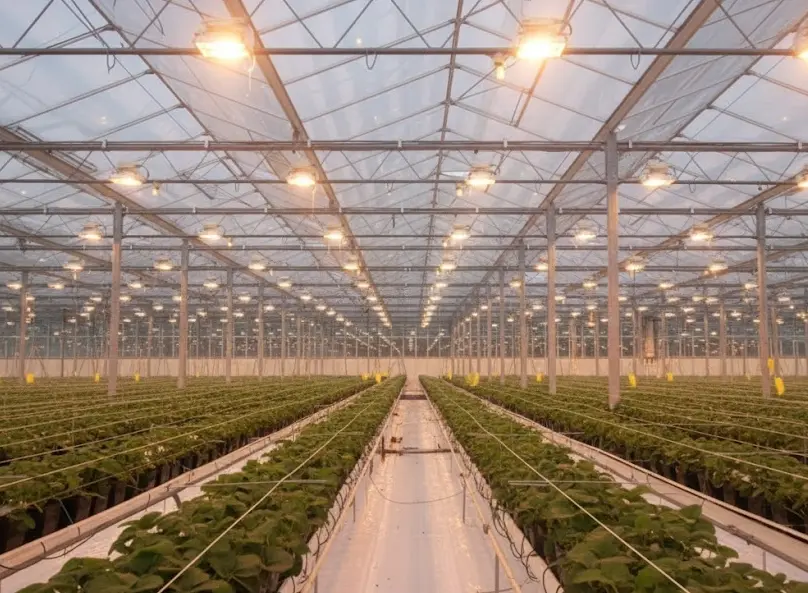
10. Install a Heat Recovery Ventilator (HRV)
Why it works: On cold days, opening vents to let in fresh air can cool the greenhouse—but an HRV warms that air first.
Cost: $80–$150 for a small model (easy to install with basic tools).
11. Use Geothermal Heat from the Ground
DIY version:
Cost: $50–$80 (pipe + fan).
12. Cover Plants with Frost Cloths
When to use: For nights with frost warnings (temperatures below 32°F/0°C).
How to apply: Drape the cloth over plant beds and secure the edges with rocks or stakes—don’t let it touch leaves (frost can form on the cloth and transfer to plants).
Cost: $15–$30 for a 10x20-foot cloth (reusable for 3–5 years).
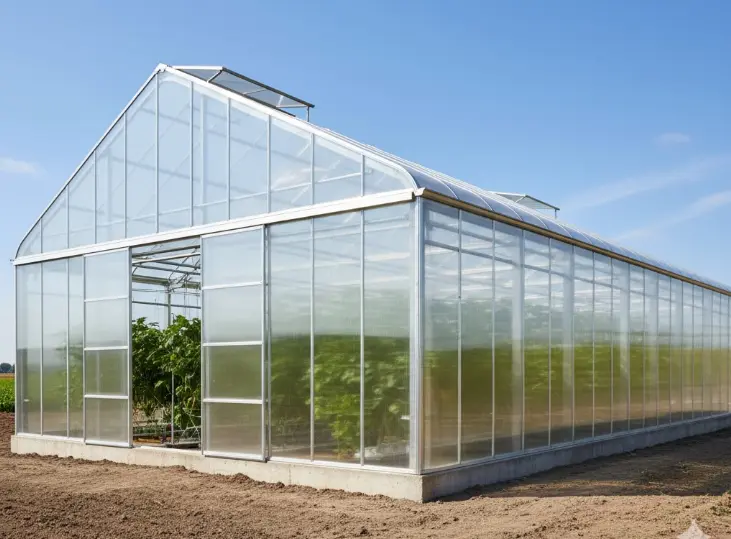
13. Upgrade to Polycarbonate Panels
Benefits:
Cost: $100–$200 for a 4x8-foot panel (covers a small section—replace one wall at a time to spread costs).
Part 3: Professional Methods ($200+) – For Large/Commercial Greenhouses
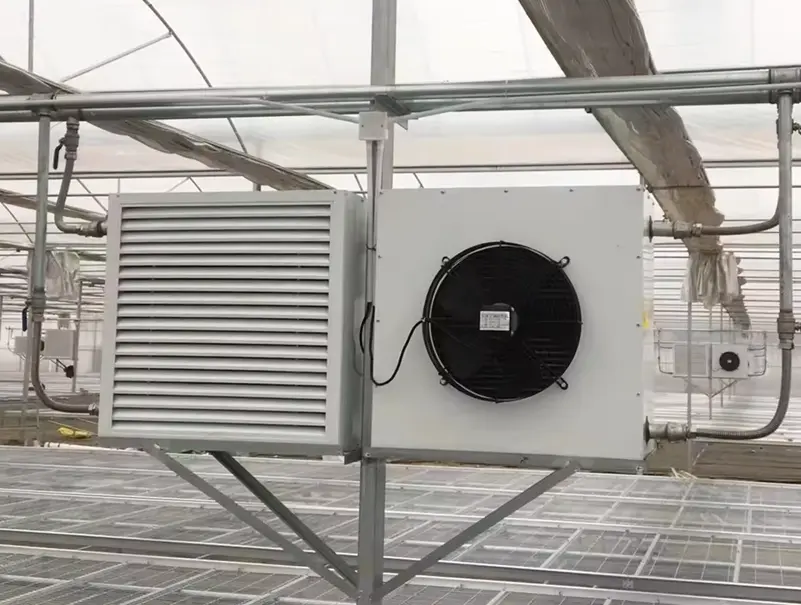
14. Install a Central Heating System
Propane heaters: Good for large spaces (heat 1,000+ sq ft). Look for models with a thermostat and carbon monoxide detector ($200–$500).
Hot water heating: Pipes run under plant beds, carrying heated water from a boiler. Ideal for year-round use ($500–$1,500, plus installation).
Infrared heaters: Heat plants directly (not air), saving energy—great for tall greenhouses ($300–$800 per unit).
15. Add a Smart Temperature Control System
Features to look for:
Cost: $200–$400 (worth it for peace of mind and energy savings).
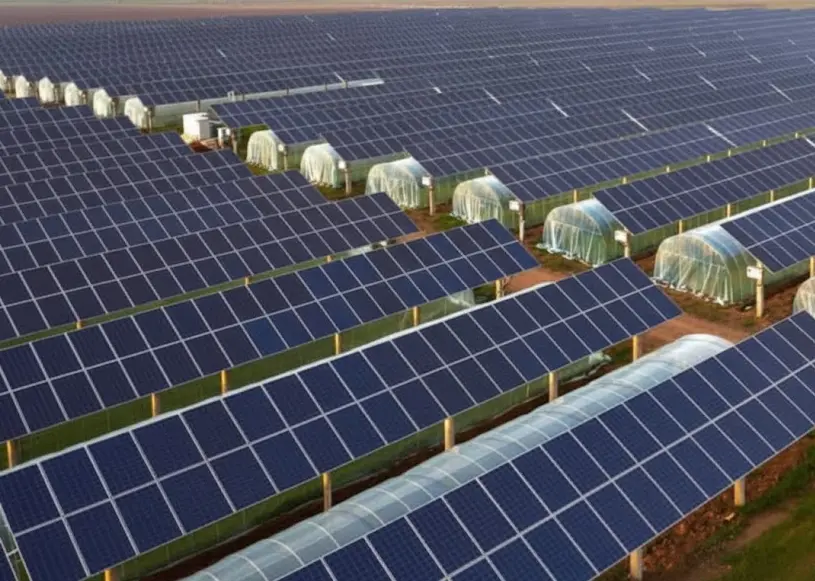
16. Use a Solar Panel + Battery System
Setup:
Cost: $800–$1,500 (initial investment, but pays for itself in 2–3 years).
17. Install a Thermal Siphon System
How it works:
Cost: $300–$500 (best for large, south-facing greenhouses).
18. Invest in a Greenhouse Heat Sink Wall
Quick Comparison: Which Method Is Right for You?
5 Common Mistakes to Avoid (Winter Greenhouse Warmth Fails)
Forgetting to open insulation during the day: Even in winter, sunlight is your best heat source—keep blankets/curtains rolled up until dusk.
Overheating: Temperatures above 70°F/21°C stress plants. Use a thermostat to avoid this.
Ignoring humidity: Warm, damp air leads to mold. Use a dehumidifier or open vents for 1 hour a day (when temperatures are above 40°F).
Using dark, opaque insulation: This blocks sunlight—always choose materials with 70%+ light transmission.
Skipping soil warming: Focusing only on air temperature ignores root health. Use mulch or black plastic to keep soil warm
FAQ: Your Winter Greenhouse Warmth Questions Answered
Q1: How can I keep a greenhouse warm without electricity?
Q2: What’s the cheapest way to heat a greenhouse in winter?
Q3: Can a small greenhouse survive winter without heating?
Q4: How do I keep my greenhouse from freezing at night?
Final Tips to Keep Your Greenhouse Thriving This Winter
Monitor temps daily: Use a digital thermometer (place it at plant height, not floor or ceiling) to track consistency.
Water in the morning: Warm water (from your water barrels!) given in the morning lets plants dry off before night—reducing frost risk.
Prune dead growth: Dead leaves and stems block sunlight—trim them to let heat reach healthy plants.
 English
 Malaysia
 Indonesia