
# Application of Plant Supplemental Lights in Modern Agriculture
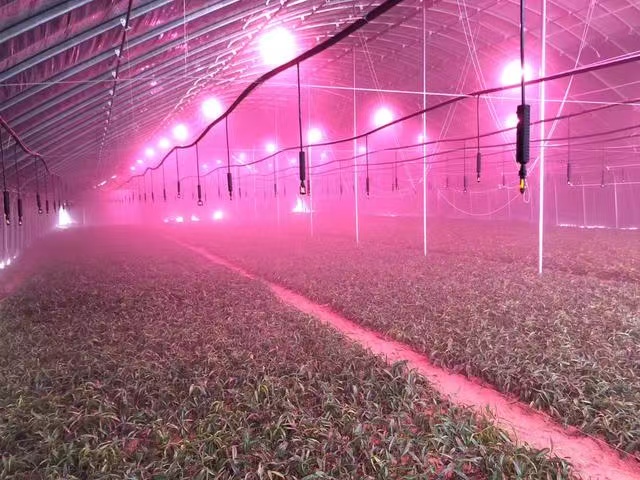
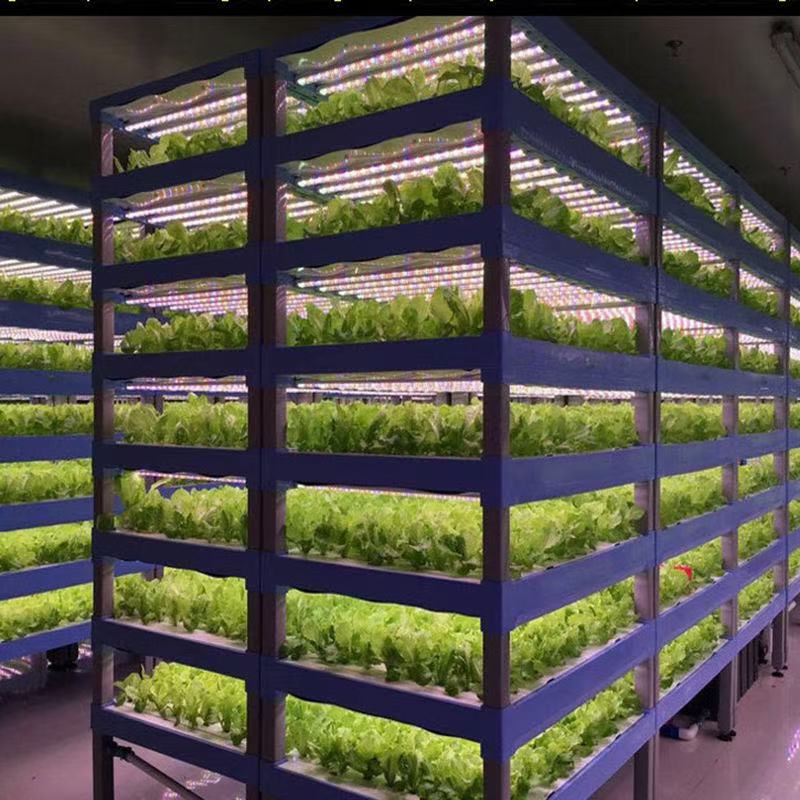
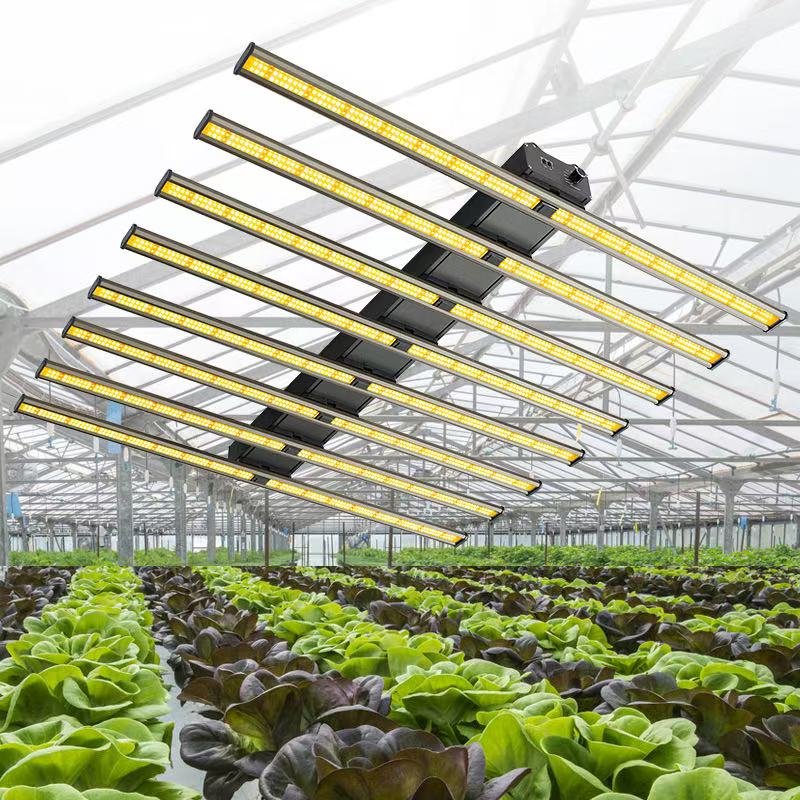
Greenhouse cultivation is affected by cloudy/rainy days, smog, and short winter days. Insufficient light can cause excessive vegetative growth, reduced flowering and fruit setting, and decreased quality in crops. Plant supplemental lights, as supporting equipment in modern agriculture, supplement light through artificial light sources, regulate crop growth cycles, and are an important facility for improving quality and increasing yield in greenhouses, polytunnels, and plant factories.
## I. When to Use Supplemental Lights and When Not to Use Them
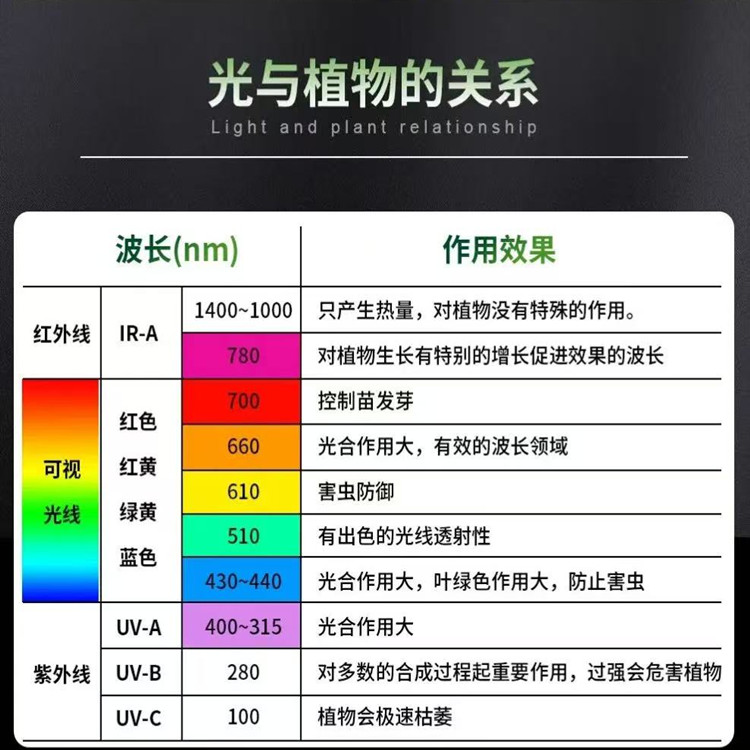
✅ When necessary: Short days and long nights in winter, continuous cloudy/rainy days, smog; light is blocked by greenhouse film or frame; seedling stage, flowering and fruit expansion stage, high-value crops such as strawberries, tomatoes, and peppers; multi-layer vertical planting, indoor cultivation in plant factories.
❌ When not necessary: Sunny days with sufficient midday sunlight, natural light intensity meets crop needs; crop dormancy; when the greenhouse already has ample light, blindly supplementing with light can scorch leaves and increase electricity costs.
## II. How to Choose Supplemental Lights
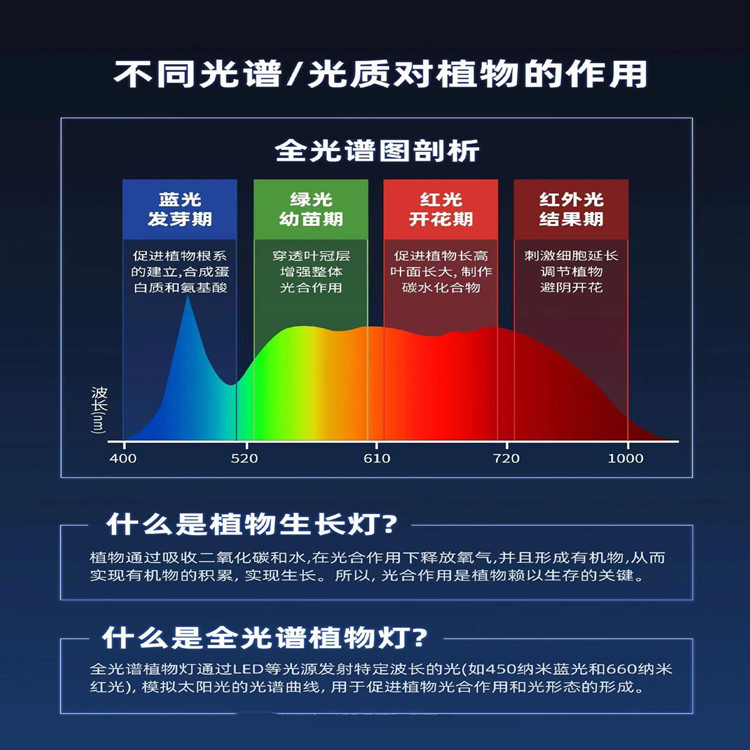
Prioritize full-spectrum plant supplemental lights, as their spectrum matches the needs of plant photosynthesis. Consider the greenhouse area, crop type, and hanging height when selecting a model: low-power lights are suitable for seedlings, while high-efficiency lights are needed during the fruit expansion period; also pay attention to heat dissipation and waterproof ratings, as waterproof models are necessary in the high-humidity environment of greenhouses to extend the lifespan of the lights.
## III. Advantages and Disadvantages of Supplemental Lighting
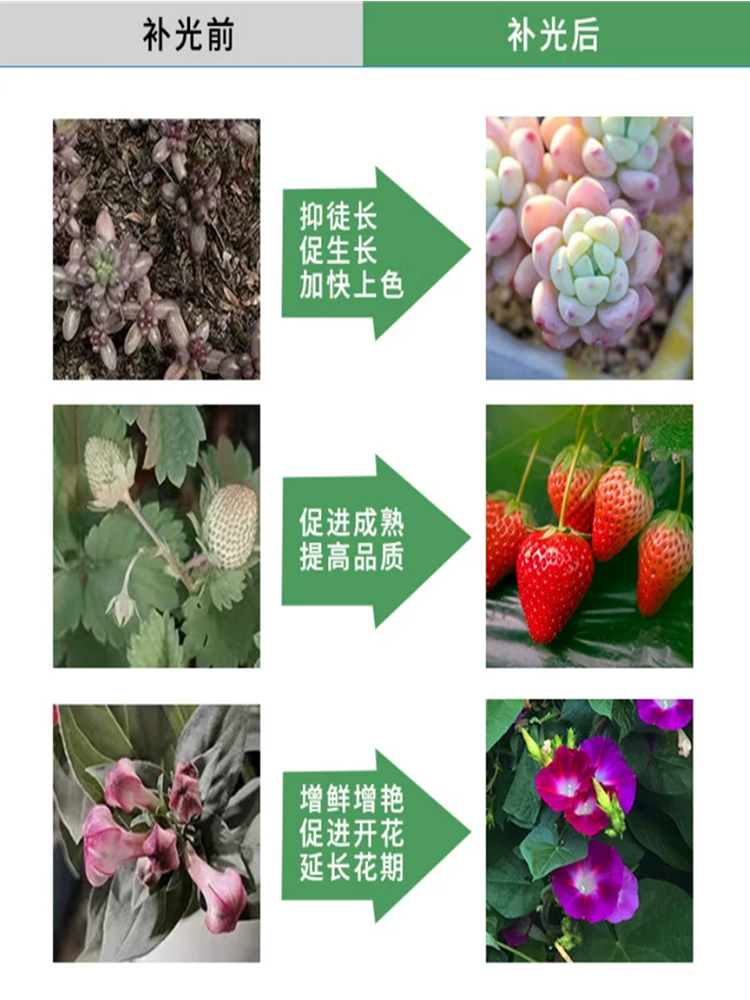
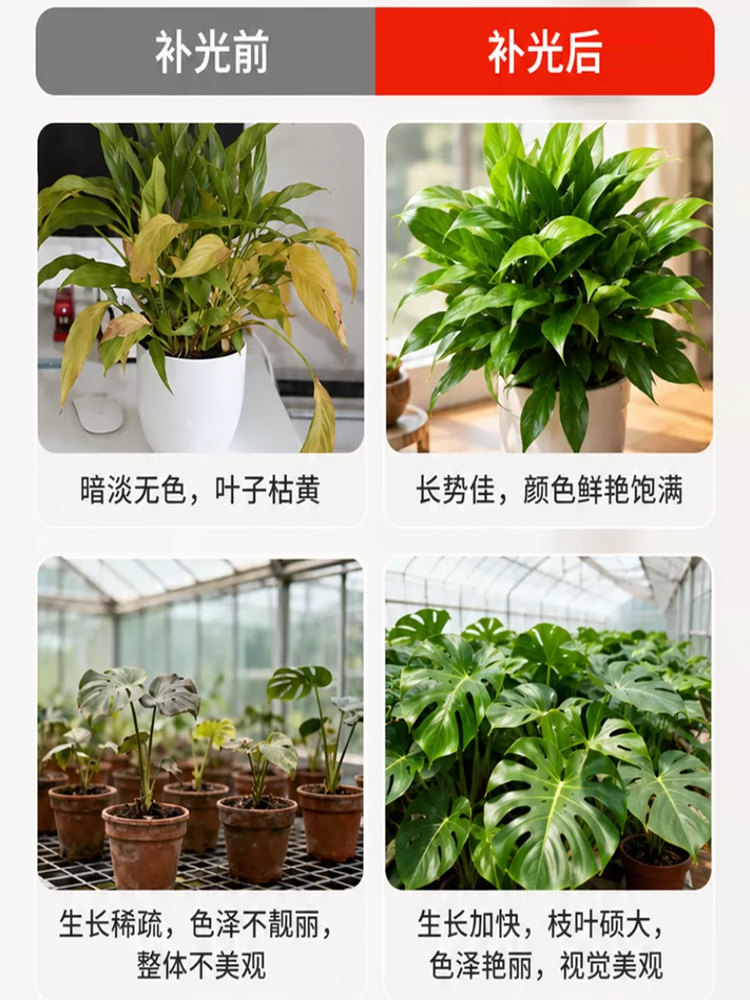
1. Unaffected by weather, providing stable light supply, shortening the seedling cycle, and allowing for earlier market entry;
2. Inhibiting excessive vegetative growth, increasing fruit set rate, increasing fruit sugar content, and improving agricultural product quality;
3. Adjustable light duration, enabling staggered production and improving greenhouse utilization.
**Disadvantages**
1. Requires continuous electricity consumption, increasing planting costs;
2. Improper installation and adjustment, or placing it too close to crops, can easily scorch leaves;
3. Only serves as a supplementary light source and cannot completely replace natural light.
Only by rationally combining natural light and scientifically using supplemental lighting can the supplemental lighting effect be maximized, contributing to stable yields and increased income in facility agriculture.
 English
 Malaysia
 Indonesia