
Product Details
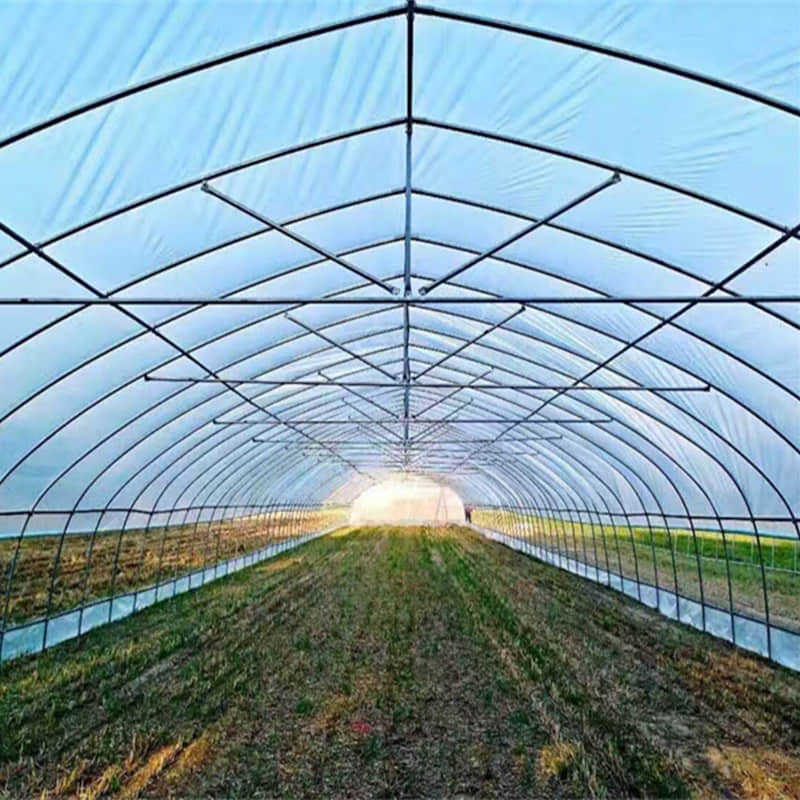
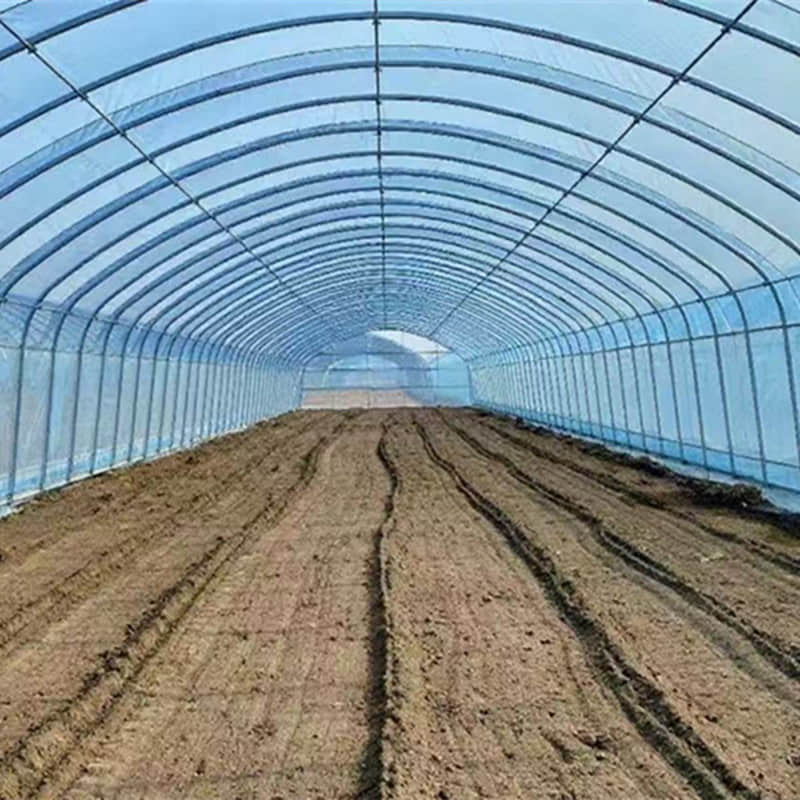
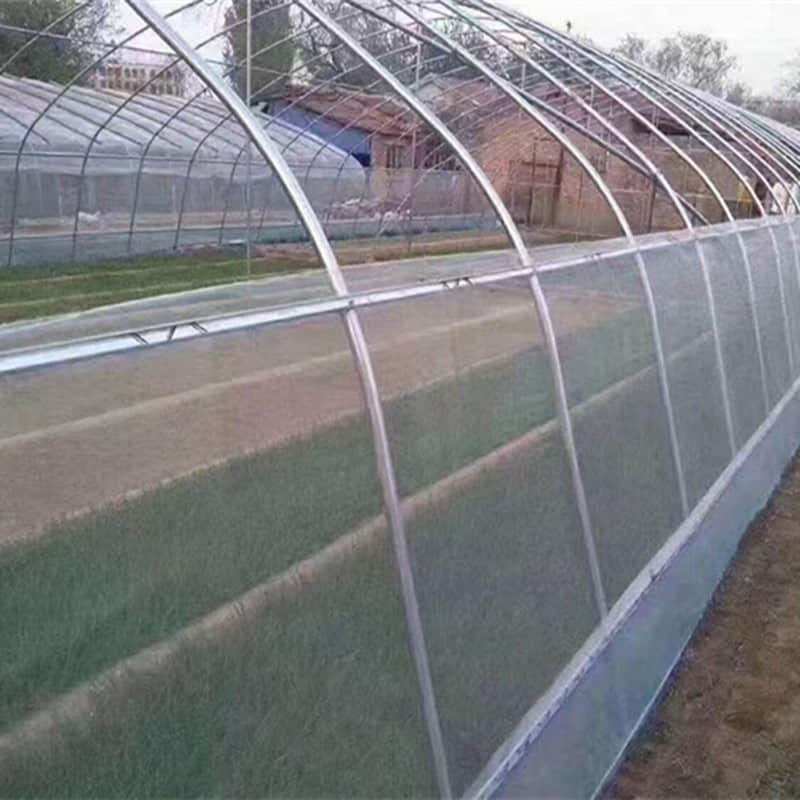
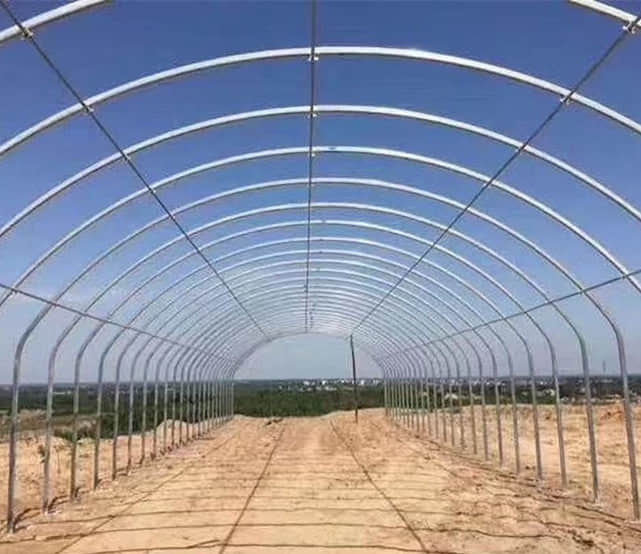
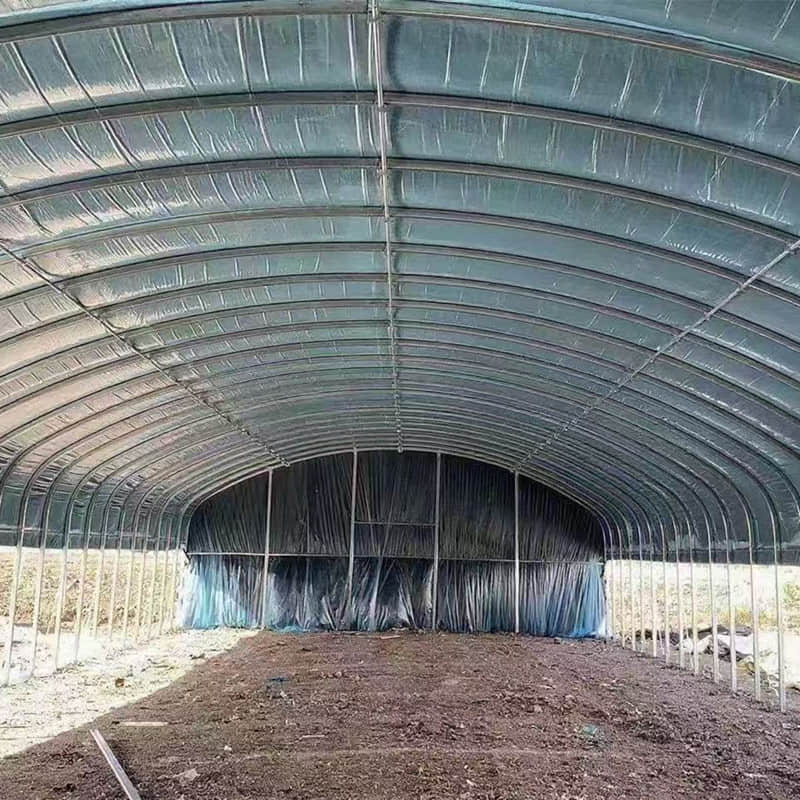
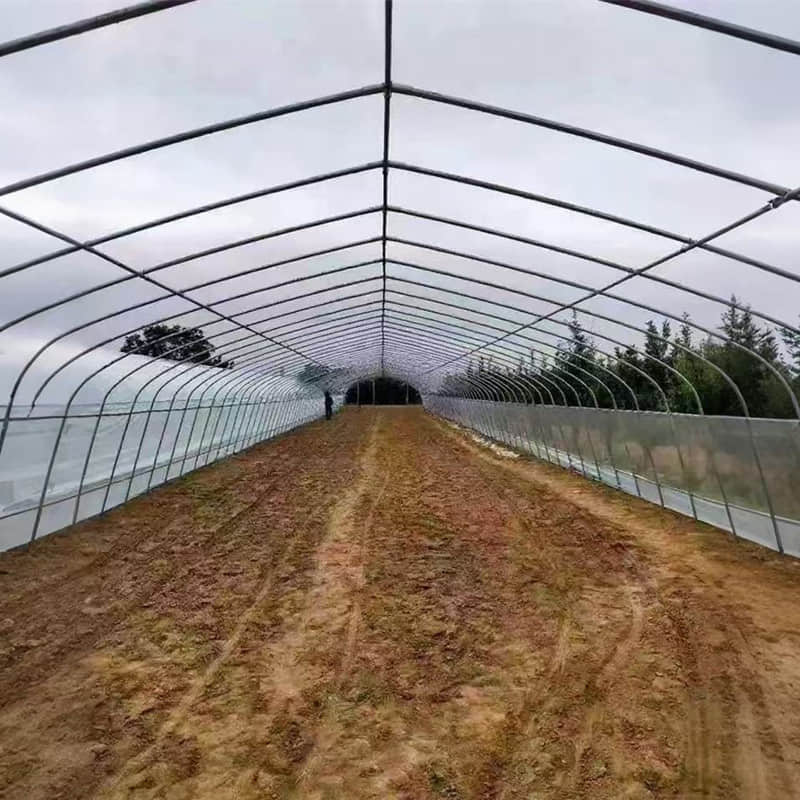
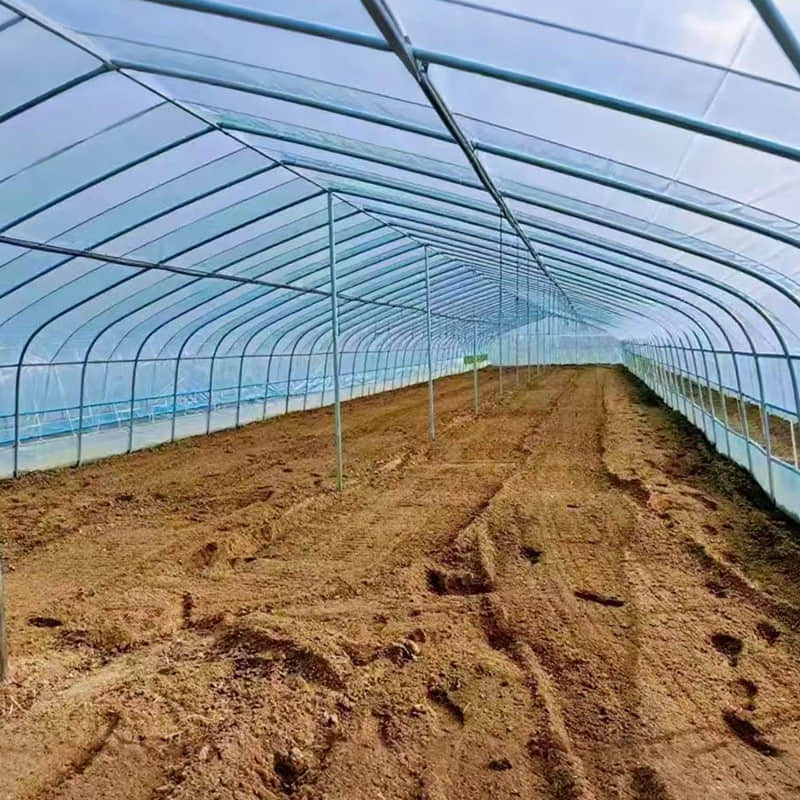
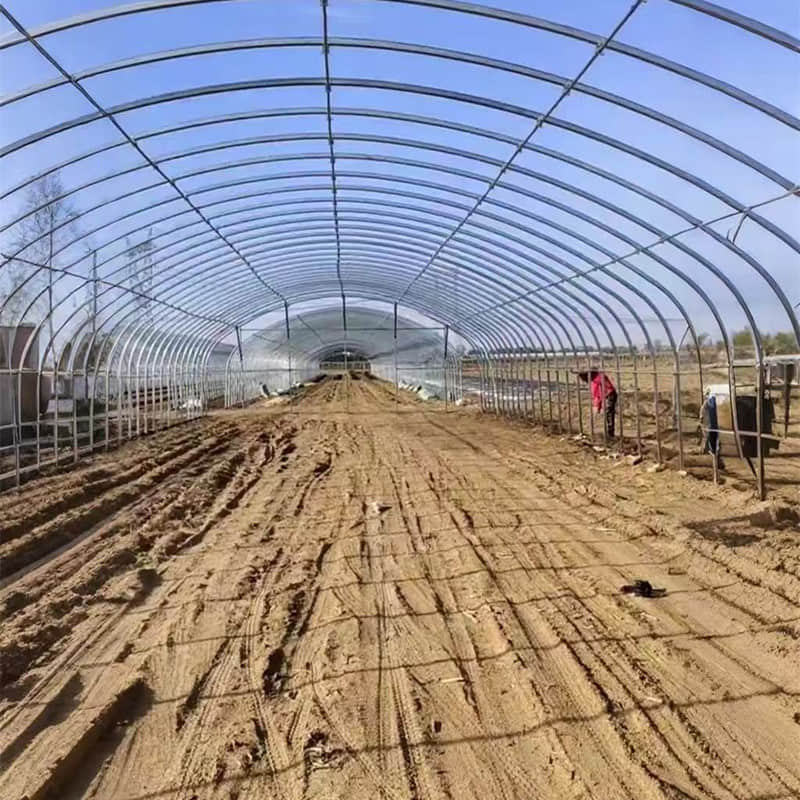
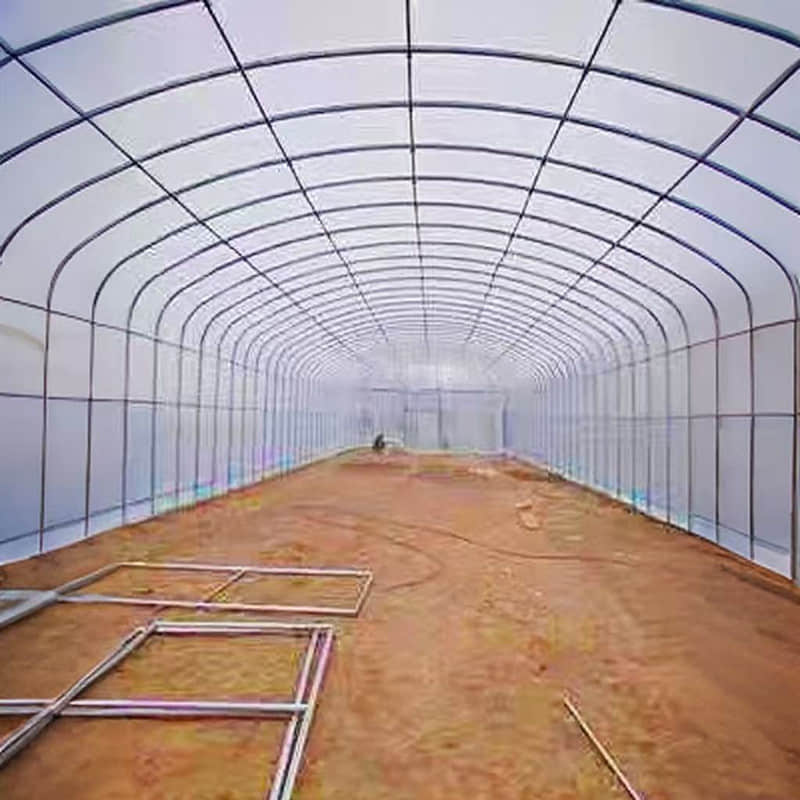
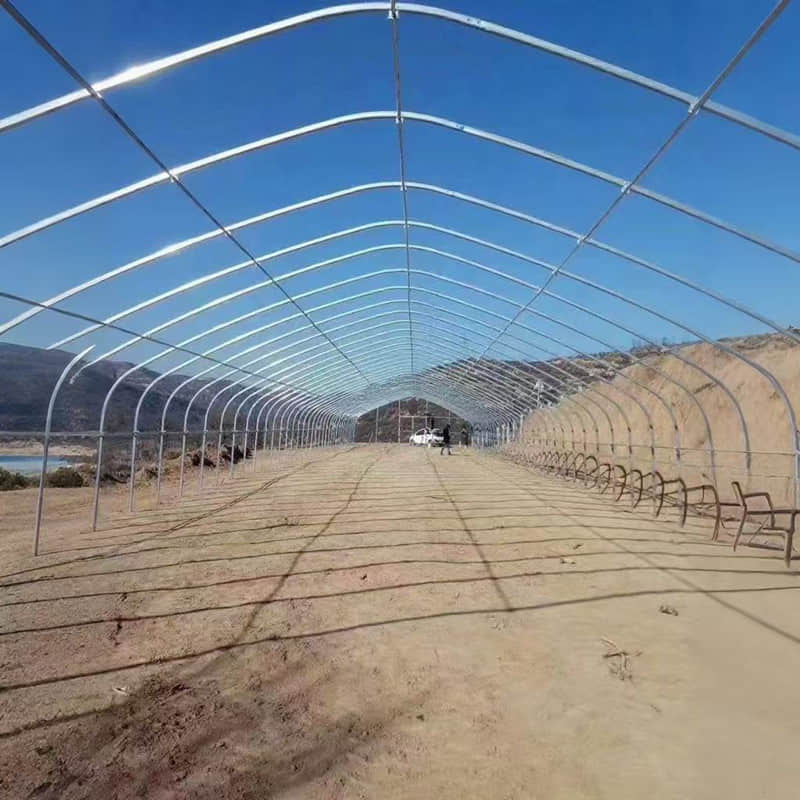
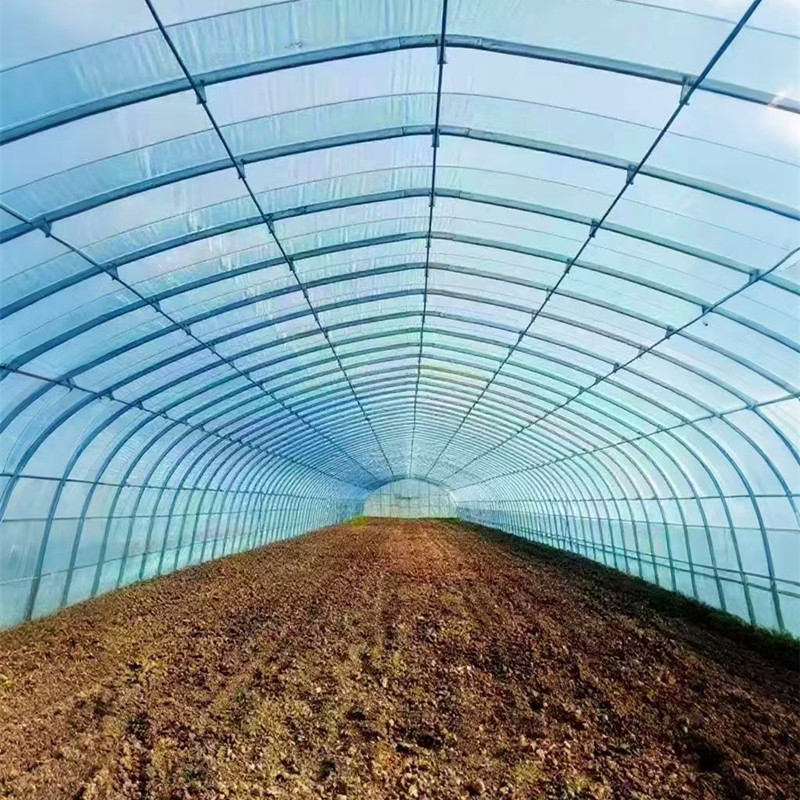
simple vegetable greenhouse
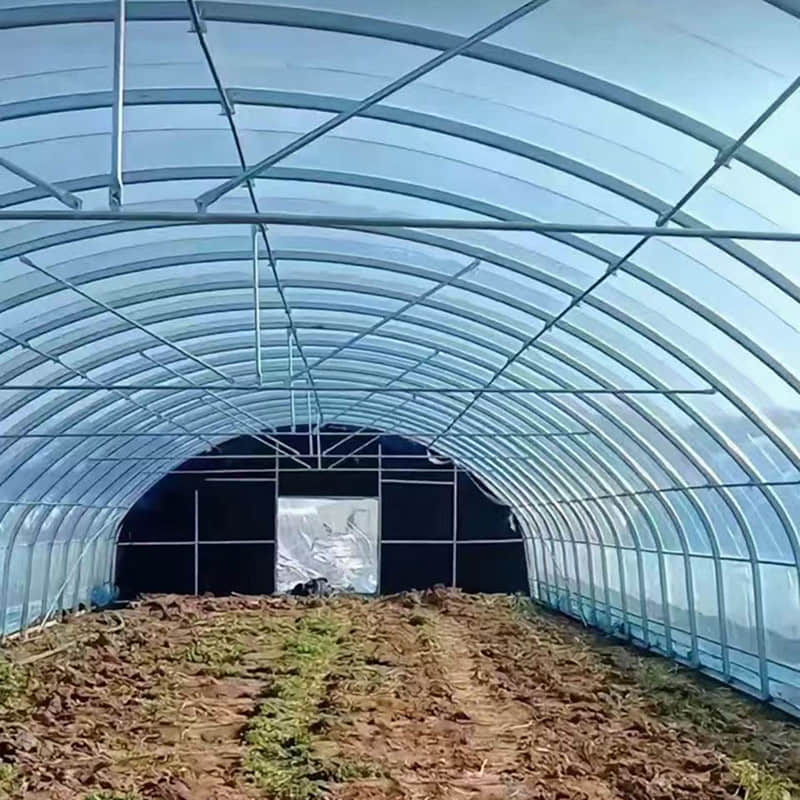
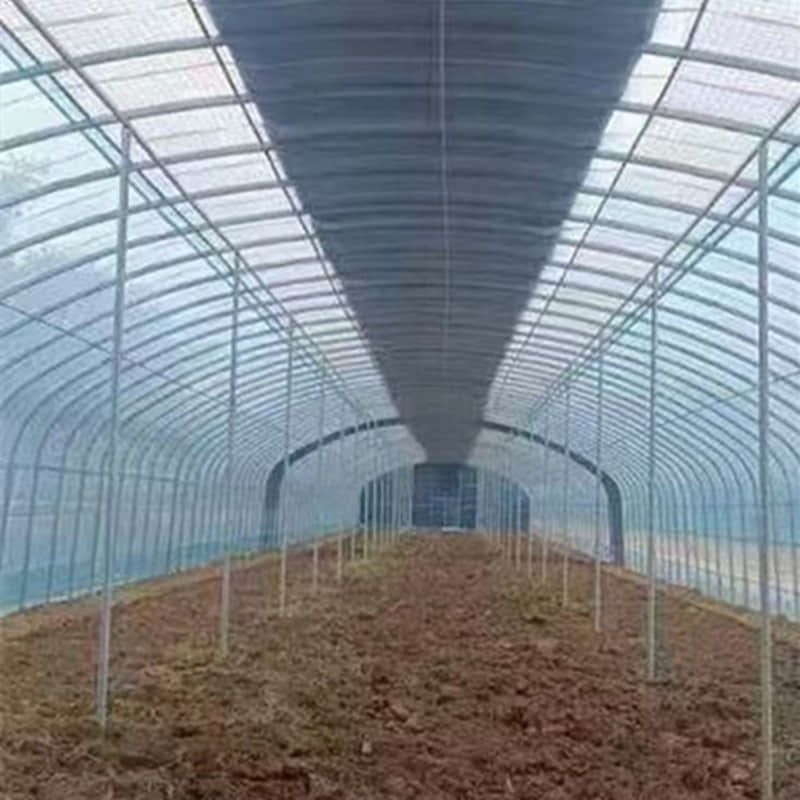
- The skeleton of the cold shed in spring and autumn is usually made of materials such as galvanized steel pipes or bamboo poles.
- The main covering material is plastic film, and commonly used are polyethylene film and polyvinyl chloride film.
- Usually, ventilation openings are set on both sides or on the top of the shed, and ventilation is carried out through manual or simple mechanical devices.
- Doors are generally set up at one end or both sides of the shed to facilitate entry and exit of personnel and equipment.
Introduction to the cold greenhouse products in spring and autumn
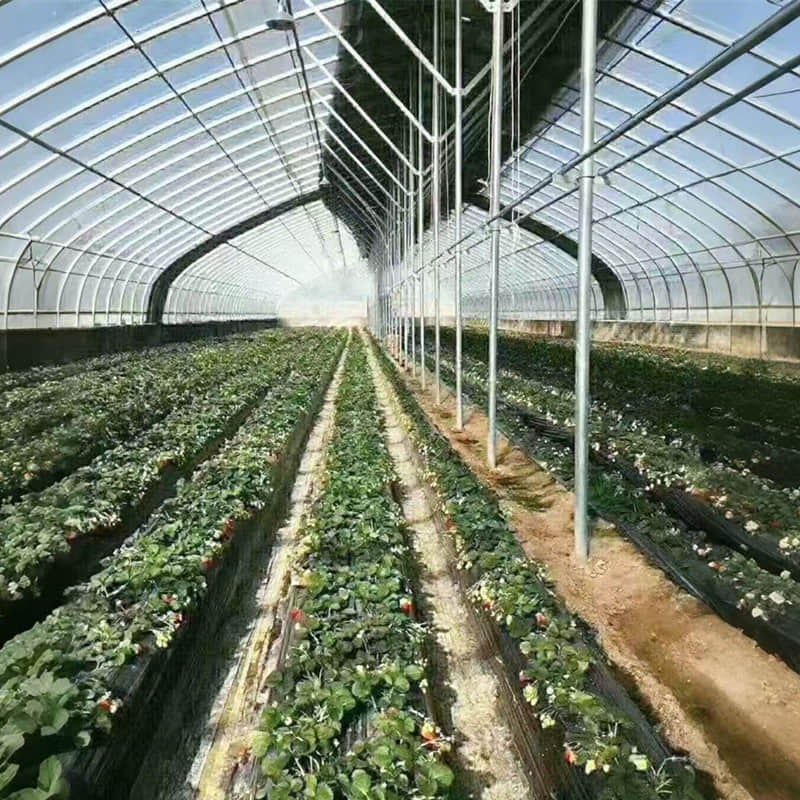
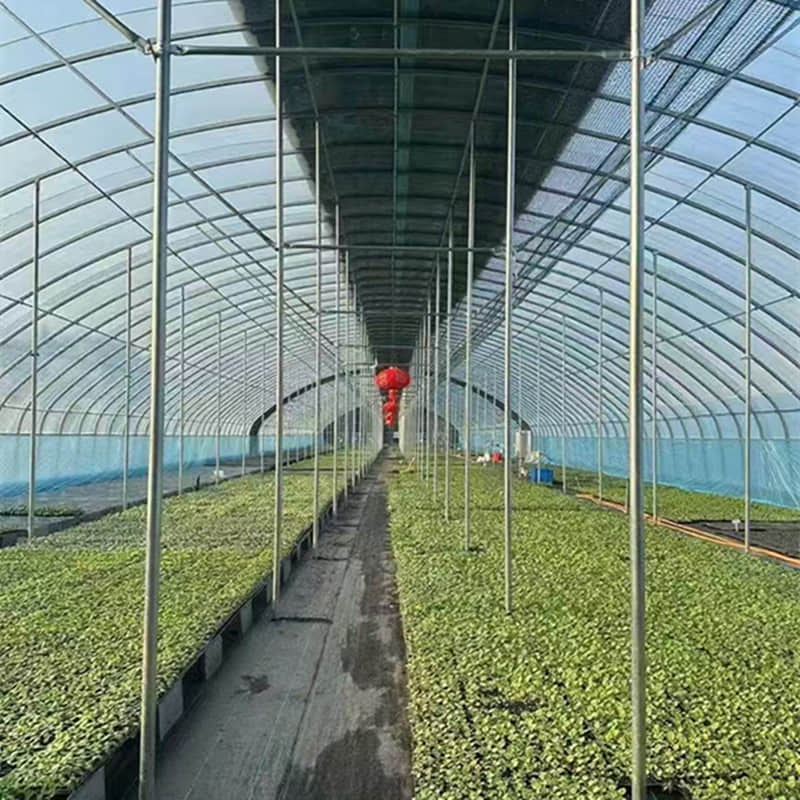
The spring and autumn cold loft is a simple and practical agricultural facility, mainly used for the planting of vegetables, fruits, flowers and other crops in spring and autumn. It can effectively prolong the growth period of crops, provide crops with a suitable growth environment, resist bad weather such as low temperatures, frosts, strong winds and other adverse weather in spring and autumn, and also block the strong light and heavy rain in summer to a certain extent. Compared with other large greenhouses, the spring and autumn cold shed has the advantages of low cost, flexible construction and easy use, and is very suitable for small and medium-sized growers and family farms.
Structural features
1. Skeleton structure: The skeleton of the cold shed in spring and autumn is usually made of materials such as galvanized steel pipes or bamboo poles. Galvanized steel pipes have the advantages of high strength, corrosion resistance, and long service life. They are currently the most commonly used skeleton material. Bamboo poles are cheaper, but have relatively short strength and service life. The skeleton is generally arched and can withstand certain wind and snow loads.
2. Covering material: The main covering material is plastic film, and commonly used are polyethylene film and polyvinyl chloride film. These films have good light transmittance, thermal insulation and waterproofness, and can meet the basic needs of crop growth. At the same time, the film also has certain tensile strength and aging resistance.
3. Ventilation system: Usually, ventilation openings are set on both sides or on the top of the shed, and ventilation is carried out through manual or simple mechanical devices. The ventilation system can adjust the temperature, humidity and carbon dioxide concentration in the shed, creating a good growth environment for crops.
4. Doors and passages: Doors are generally set up at one end or both sides of the shed to facilitate entry and exit of personnel and equipment. A certain width of channels will also be reserved in the shed for easy planting and management operations.
5. Fixing and connection: The skeleton is fixed and connected through connecting parts to ensure the stability of the shed. The covering film is fixed to the skeleton by means of a slit, a spring or a membrane pressing line to prevent it from being blown up by the wind.
 English
 Malaysia
 Indonesia